
Tag: loan against property in surat

A “Loan against property“ (LAP) is a secured loan that allows individuals and businesses to leverage their property’s value to access substantial funds. Whether for business expansion, medical emergencies, education, or debt consolidation, LAP provides a cost-effective solution with lower interest rates compared to unsecured loans. Let’s explore how it works and why it is a smart financial choice.
What is a Loan against property?
A Loan against property is a type of loan where the borrower pledges residential, commercial, or industrial property as collateral to secure a loan. The loan amount depends on the property’s market value, borrower’s credit profile, and the lender’s policies. Typically, lenders offer up to 50-75% of the property’s market value as a loan.
How Does Loan against property Work?
1. Property Valuation – The lender assesses the property’s market value to determine the eligible loan amount.
2. Loan Application & Documentation – The borrower submits required documents such as identity proof, income proof, property papers, and other financial details.
3. Approval & Loan Disbursement – After verification and approval, the lender disburses the loan amount, usually within a few days.
4. Repayment Tenure – LAP offers flexible repayment tenures ranging from 5 to 20 years, making it easier for borrowers to manage EMIs.
5. Loan Closure – Once the loan is fully repaid, the lender releases the property documents back to the borrower.
Benefits of Loan against property
• High Loan Amount – Since it is secured, borrowers can avail of larger funds compared to personal loans.
• Lower Interest Rates – Generally lower than unsecured loans, making repayment more affordable.
• Flexible Repayment Tenure – Longer tenures ensure manageable EMIs.
• Multi-Purpose Usage – Funds can be used for various personal or business needs.
• Continued Property Ownership – The borrower retains ownership while utilizing the property’s value.
• Quick Processing – Since LAP is a secured loan, lenders process applications faster with minimal documentation.
Eligibility Criteria for Loan against property
Lenders generally evaluate applicants based on the following criteria:
• Age – The borrower should typically be between 21 and 55 years old.
• Income & Employment Stability – Salaried and self-employed individuals should have a stable income source.
• Property Type & Ownership – The pledged property must be legally owned and free from disputes.
• Credit Score – A higher credit score increases the chances of approval and better interest rates.
Things to Consider Before Applying for LAP
• Loan Eligibility & Repayment Capacity – Assess your financial standing before applying.
• Interest Rate & Processing Fees – Compare lenders to find the best deal.
• Property Type & Legal Clarity – Ensure the property is legally clear and free from disputes.
• Risk of Property Seizure – In case of non-repayment, the lender has the right to auction the property.
• Prepayment Charges – Check if the lender imposes charges for early loan repayment.
Conclusion
A Loan against property is a smart way to access large funds at lower interest rates while keeping ownership of your asset. By understanding how it works and assessing your financial needs, you can leverage LAP to meet your goals efficiently. With its flexibility, high loan amounts, and competitive rates, LAP is an excellent financing option for individuals and businesses alike. If you own a property and need substantial financing, LAP could be the ideal solution for you!

In today’s dynamic financial landscape, unexpected financial needs can arise at any moment. Whether it’s for personal or business reasons, having quick access to funds can make all the difference. One of the most effective ways to unlock the capital tied up in your assets is through a Loan against property (LAP). By leveraging your property, you can secure a loan that offers both flexibility and affordability, making it an attractive financial solution for many individuals and businesses.
What is a Loan against property?
A “Loan against property“ is a secured loan that allows you to borrow funds by mortgaging your residential, commercial, or industrial property. The property acts as collateral, and in exchange, you get access to a lump sum amount based on the market value of your property. The loan amount, interest rates, and repayment tenure will depend on the value of the property and the lender’s policies.
Why Opt for a Loan against property?
1. Lower Interest Rates
Since a Loan against property is a secured loan, the interest rates are typically lower compared to unsecured loans like personal loans or credit cards. This makes LAP an affordable option for those looking to borrow large sums of money at competitive rates.
2. High Loan Amount
The loan amount you can borrow is directly related to the value of your property. Depending on the property’s valuation and the lender’s guidelines, you could borrow up to 70-80% of the property’s market value. This provides a significant advantage when you need a substantial amount of funds for major expenses like medical bills, education, business expansion, or property renovation.
3. Longer Repayment Tenure
Loan against property often come with flexible repayment terms that can range from 5 to 20 years, depending on the lender. This extended repayment period helps reduce the monthly EMI burden, making it easier to manage your finances without undue stress.
4. Tax Benefits
Interest paid on a Loan against property can be eligible for tax deductions under certain circumstances, particularly if the loan is used for business or property development. This can offer significant savings in terms of taxes, adding to the overall financial benefits of LAP.
5. No Restrictions on Usage
Unlike some loans that restrict the use of borrowed funds (like education loans or home loans), a Loan against property offers complete flexibility. You can use the funds for any purpose – whether it’s to fund a child’s education, expand your business, pay for medical emergencies, or even invest in a new property.
Key Benefits of Using Property as Collateral
1. Quick Access to Funds
In emergencies, time is of the essence. Since a Loan against property is a secured loan, it usually involves less paperwork and faster processing compared to unsecured loans. Lenders are more likely to approve your loan quickly, ensuring you can access the funds when you need them most.
2. No Prepayment Penalties
Most financial institutions do not charge prepayment penalties for Loan against property, allowing you to repay the loan early if you have the funds available. This gives you the flexibility to save on interest costs and reduce your debt sooner than expected.
3. Preservation of Ownership
One of the key advantages of “LAP“ is that you retain ownership of your property. Unlike selling your property to raise funds, you can continue to live in your home or use your commercial space while securing the loan. Once the loan is repaid in full, the property is returned to its original state, free from any encumbrance.
Risks and Considerations
While a Loan against property offers numerous benefits, it’s essential to be mindful of the associated risks. Since the property is used as collateral, failure to repay the loan could result in the lender seizing the property. To avoid this, ensure that you have a solid repayment plan in place and that you can manage the EMI without straining your finances.
Additionally, property values can fluctuate over time, and the loan amount sanctioned might be based on an estimated value. Always work with a trusted lender to avoid over-borrowing and ensure you have adequate coverage for potential future liabilities.
Conclusion
A Loan against property offers a valuable opportunity to unlock the financial potential of your assets. Whether you need funds for personal or business purposes, leveraging your property for financial flexibility is an efficient and effective solution. With lower interest rates, high loan amounts, and long repayment tenures, LAP can provide the financial relief you need while preserving ownership of your property. However, like all financial products, it’s important to carefully assess your ability to repay and work with a trusted lender to ensure a smooth borrowing experience.
In today’s uncertain financial climate, a Loan against property can be the key to unlocking the funds you need while maintaining control over your assets.
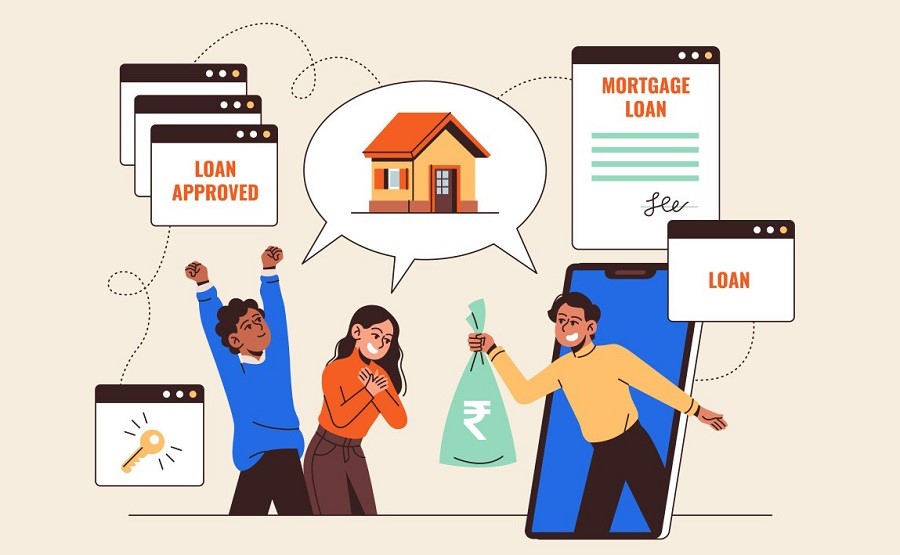
In recent years, the financial landscape has undergone a significant transformation, primarily driven by digital technology. One of the most notable changes is in the domain of loans against property (LAP). Traditionally, securing a Loan against property was often a lengthy and cumbersome process, filled with extensive paperwork, long wait times, and numerous visits to the bank. However, the digital evolution in this sector is revolutionizing the way borrowers access financing, making it more efficient, transparent, and user-friendly.
1. Streamlined Application Process
The advent of online platforms has made it possible for borrowers to “APPLY FOR LOAN AGAINST PROPERTY“ from the comfort of their homes. Gone are the days of submitting stacks of physical documents and waiting for days or weeks to get a response. Today, applicants can fill out an online form, upload necessary documents like property papers and income proof, and receive instant feedback on their eligibility. Many lenders use advanced algorithms to assess applications quickly, providing a preliminary decision within minutes.
2. Enhanced Transparency and Control
Digital platforms offer a level of transparency that was previously unattainable. Borrowers can track their application status in real time, view interest rates, fees, and other terms clearly laid out. This transparency empowers borrowers, allowing them to make informed decisions and choose the best offers suited to their financial needs. With easy access to various lenders and their offerings, borrowers can compare different options and negotiate terms more effectively.
3. Use of Advanced Technologies
The integration of technology like Artificial Intelligence (AI) and Big Data analytics is enhancing the underwriting process. Lenders can analyze vast amounts of data quickly, providing a more accurate assessment of a borrower’s creditworthiness. This not only speeds up the approval process but also allows for more personalized loan options. For instance, borrowers with a strong credit history might receive better terms, while those with lower scores could be offered tailored solutions that better fit their situation.
4. Digital Documentation and E-Signatures
The digitization of documentation has also simplified the loan process. Instead of dealing with physical documents, borrowers can now submit digital copies of required paperwork. Additionally, e-signatures have become widely accepted, enabling borrowers to sign agreements and contracts online. This shift eliminates the need for physical meetings and reduces the time taken to finalize a loan agreement, making the overall process much more efficient.
5. Improved Customer Experience
The digital evolution has led to a significant improvement in customer experience. Many lenders now offer 24/7 customer support through chatbots and online help desks. Borrowers can get answers to their queries instantly without the need to wait for business hours. Moreover, digital platforms often provide educational resources that help borrowers understand the loan process, interest rates, and repayment options better, empowering them to make well-informed decisions.
6. Greater Accessibility
Digital transformation has also made “LOAN AGAINST PROPERTY“ more accessible to a wider audience. Individuals living in remote areas can now easily access financing options that were previously unavailable to them. With just an internet connection, borrowers can explore multiple lenders, compare products, and complete the entire loan process online.
Conclusion
The digital evolution of loan against property marks a significant shift towards effortless financing. By leveraging technology, the lending process has become faster, more transparent, and accessible, paving the way for a new era in the financial landscape. As digital innovations continue to unfold, borrowers can expect even more streamlined processes and personalized services, making the journey of securing a loan against property simpler and more efficient than ever before. This transformation not only benefits borrowers but also lenders, who can operate more effectively in a competitive market. The future of financing looks promising, with digital solutions at the forefront of this evolution.

A loan against property (LAP) is a powerful financial tool that allows you to leverage the value of your property to secure substantial funding. Whether you’re looking to consolidate debt, finance a major expense, or invest in new opportunities, a LAP can provide the necessary capital. However, before you apply, it’s essential to understand the eligibility criteria to ensure a smooth application process. Here’s a comprehensive guide to help you determine if you qualify for a loan against property.
1. Property Ownership and Valuation
The primary criterion for a “Loan against property“ is that you must be the legal owner of the property you’re pledging as collateral. Lenders typically consider residential, commercial, and industrial properties. The value of your property plays a significant role in determining the loan amount you can receive. Lenders will conduct a valuation to assess the market value of your property, which influences the loan amount and terms.
2. Income Stability
Lenders must verify that you have a stable and adequate income to comfortably handle the loan repayments. Whether you’re a salaried employee or a self-employed individual, your income will be scrutinized to assess your repayment capacity. Typically, lenders look for a stable employment history or consistent business revenue. Be prepared to provide documents such as salary slips, bank statements, and income tax returns.
3. Credit Score
Your credit score is a crucial factor in determining your eligibility for a loan against property. A higher credit score indicates a good credit history and increases your chances of loan approval. Most lenders require a minimum credit score (often above 750), but the exact requirement can vary. If your credit score is lower, you might face higher interest rates or reduced loan amounts.
4. Age and Employment Status
Lenders usually have specific age requirements and employment status criteria. Generally, applicants should be between 21 and 65 years old. For salaried individuals, being employed with a reputable organization and having a tenure of at least 2-3 years is often required. For self-employed applicants, having a stable business operation and meeting the lender’s criteria for business longevity and profitability is essential.
5. Existing Liabilities
Lenders will evaluate your existing financial liabilities and obligations. High existing debt or significant financial commitments can impact your eligibility. Lenders prefer applicants with a manageable debt-to-income ratio, which demonstrates that you have the financial capacity to handle additional loan payments.
6. Property Documents
Thorough documentation is vital for a successful loan application. You’ll need to provide legal documents related to the property, including the title deed, property tax receipts, and any existing mortgage statements. Ensuring that these documents are accurate and up-to-date is crucial for the approval process.
7. Legal and Compliance Factors
Ensure that your property is free from legal disputes and encumbrances. Lenders will conduct a legal due diligence check to confirm the property’s clear title. Any ongoing legal issues or disputes can affect your eligibility.
Conclusion
Understanding and meeting the eligibility criteria for a loan against property can significantly enhance your chances of approval and ensure a smoother application process. By assessing factors such as property ownership, income stability, credit score, and documentation, you can better prepare yourself for securing a LAP. With the right preparation and a clear understanding of what lenders look for, you’ll be well-positioned to leverage your property’s value and achieve your financial goals.

Mortgage loans are fundamental financial tools that empower people to purchase homes without the need to pay the entire cost upfront. These loans are gotten by the actual property, guaranteeing that lenders have a safety net on the off chance that the borrower defaults on their payments.
Types of Mortgage Loans
● Fixed-Rate Mortgage Loans: These loans have a reliable interest rate all through the term, making monthly payments predictable.
● Adjustable-Rate Mortgage Loans (ARM): The interest rate for ARMs fluctuates in view of market conditions, which can bring about changing monthly payments.
● FHA Loans: Upheld by the Federal Housing Administration, these loans are great for first-time homebuyers with lower credit scores or more modest down payments.
● VA Loans: Accessible to veterans and well-trained help individuals, VA loans frequently offer great terms and don’t need a down installment.
Benefits of Mortgage Loans
● Homeownership: The clearest benefit is the capacity to claim a home, which can give long-haul financial soundness and a feeling of achievement.
● Tax Benefits: Mortgage interest payments are, in many cases, tax-deductible, which can lessen your general tax trouble.
● Fixed Monthly Payments: With a fixed-rate mortgage, your monthly payments continue as before, making budgeting easier.
How You Can Apply for a Mortgage Loan Online?
In the present digital age, it’s easier than at any time in recent memory to “Apply For Mortgage Loan Online“. The interaction can be completed from the comfort of your home, saving you time and effort. Here is a step-by-step guide:
1. Research Lenders: To find the best mortgage loan rates and terms, start by examining different lenders. Check out what banks, credit affiliations, and online lenders offer that might be of some value.
2. Check Your Credit Score: Your credit score is an essential thought in figuring out your mortgage loan eligibility and interest rate. Acquiring a copy of your credit report can allow you to affirm that your interest rate is accurate.
3. Gather Documentation: Lenders will require a few reports to deal with your “Mortgage Loan“ application. Commonly required items include:
● Proof of income
● Employment verification
● Bank statements
● Identification
4. Pre-Qualification: Numerous lenders offer pre-qualification tools online. Pre-fitting the bill for a mortgage loan provides you with an estimate of how much you can borrow and what your monthly payments may be.
5. Complete the Online Application: Whenever you’ve picked a bank, finish up their online mortgage loan application form. Be prepared to give nitty-gritty information about your financial situation, employment, and the property you wish to purchase.
6. Submit Documentation: In the wake of submitting your application, you’ll have to transfer the expected documentation. This should normally be possible safely through the moneylender’s online entryway.
7. Wait for Approval: The moneylender will review your application and documentation while you wait for approval. It could require anywhere from several days to a portion of a month to complete this cooperation. Additional information or clarification may be searched for at this point.
8. Mortgage Loan Terms: At whatever point upheld, you’ll receive a loan estimate detailing the terms of your mortgage loan, including the monthly portion, interest rate, and closing costs. Carefully read this over to guarantee it addresses your issues.
9. Closing: When you consent to the terms, you’ll continue to the closing stage. This includes marking the final paperwork and paying any essential expenses. The moneylender will then support your mortgage loan, permitting you to take responsibility for your new home.
When they need significant financial assistance, people frequently investigate different borrowing choices. One such choice is benefiting from a loan against property (LAP). This sort of loan permits borrowers to use the value of their property to secure funds. Be that as it may, prior to plunging into this financial responsibility, it’s critical to understand the loan against property rate and the factors influencing it.
What is a Loan Against Property Rate?
Loan against property rate alludes to the interest charged by lenders on the acquired amount. It is normally communicated as a level of the total loan amount and can fundamentally influence the general cost of borrowing. Understanding the factors influencing this rate is fundamental for borrowers to settle on informed choices.
The loans against property interest rate fluctuates among lenders and might be fixed or floating. Fixed interest rates stay steady all through the loan tenure, giving borrowers consistency in repayments. Then again, floating interest rates vary in light of market conditions, offering the potential for savings on the off chance that interest rates decline yet representing a gamble of higher installments on the off chance that rates rise.
Factors Influencing Loan Against Property Rate
1. Property Valuation: The essential element influencing the “Loan against property rate“ is the value of the property being presented as a guarantee. Lenders survey the market value of the property to decide its worth. A higher valuation might bring about a lower interest rate, as it gives more noteworthy security to the bank.
2. Loan Amount: The amount of loan against property looked for by the borrower likewise assumes an urgent part in deciding the interest rate. Larger loan amounts might draw in lower interest rates as lenders stand to procure more from higher loan volumes.
3. Loan Tenure: The length for which the loan is benefited, known as the loan tenure, can impact the interest rate. By and large, more limited tenures might accompany lower interest rates, while longer tenures might have marginally higher rates to make up for the drawn-out repayment period.
4. Borrower’s Creditworthiness: Lenders survey the creditworthiness of borrowers prior to endorsing a loan against property. Factors such as FICO rating, repayment history, and pay soundness are considered. Borrowers with a solid credit profile are probably going to meet all requirements for lower interest rates, in contrast to those with an unfortunate record of loan repayment.
5. Economic Factors: Outer economic factors, for example, winning market interest rates, inflation, and economic conditions, likewise influence loans against property rates. Lenders change their loaning rates in view of these factors to oversee gambles and keep up with benefits.
Market Competition and Lender Policies
Market competition among lenders likewise assumes a critical part in deciding “Loan against property interest rates“. Lenders might change their interest rates to draw in borrowers and gain an upper hand in the market. Furthermore, lender policies and strategies, like promotional offers, discounts, and special schemes, can affect the interest rates proposed to borrowers. It’s fundamental for borrowers to research and contrast the offerings of numerous lenders with recognizing the most serious loan against property interest rates accessible in the market.